PRESIDENTIAL ERAS
GWTJALFDRJFKRRBODT
Periodic Table of the Presidents
Compare presidents across parties, eras, elections, wars, and constitutional developments.

History made active
Animated History creates interactive learning experiences that turn history and government into systems students can explore, compare, question, play, and connect.

Compare presidents across parties, eras, elections, wars, and constitutional developments.
Explore constitutional structure, principles, amendments, influences, and landmark cases.
Compare ancient civilizations through government, religion, technology, geography, and daily life.
Investigate agencies, reforms, relief programs, and the long-term legacy of the New Deal.
Investigate people, battles, ideas, technology, places, and consequences of the Civil War.
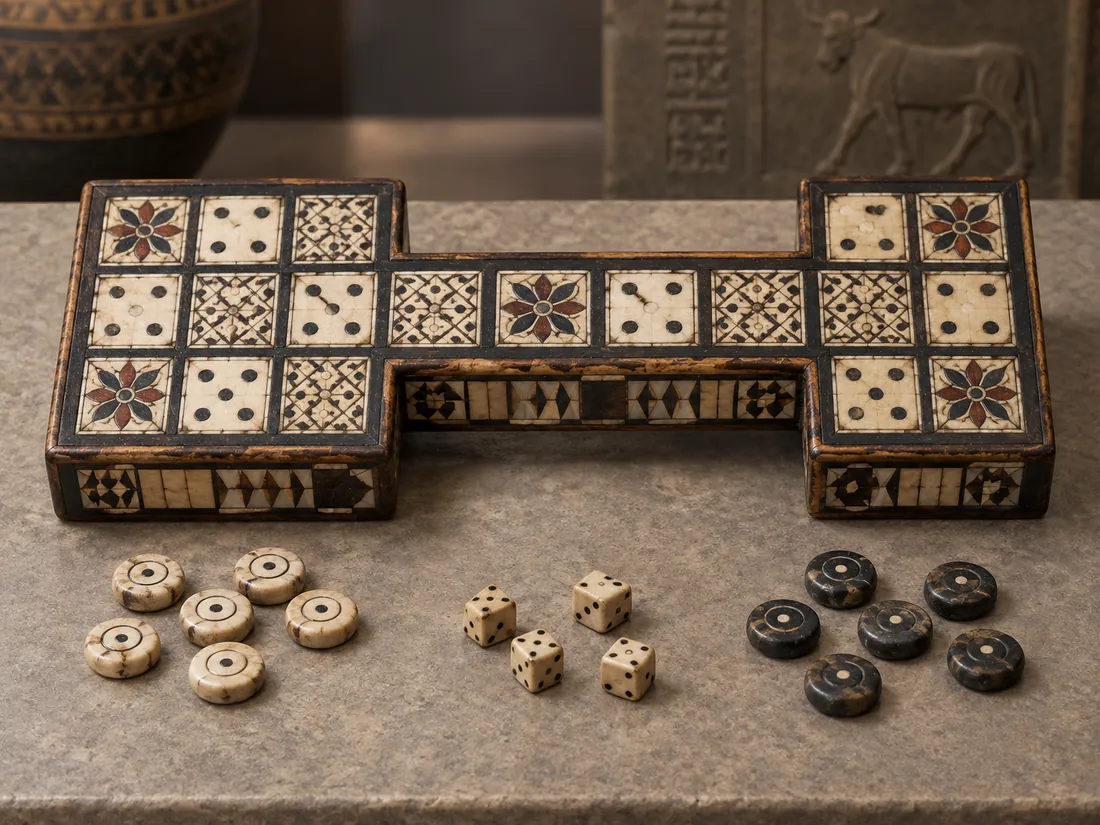
Play a classroom-ready reconstruction of Mesopotamia’s famous Game of Twenty Squares.
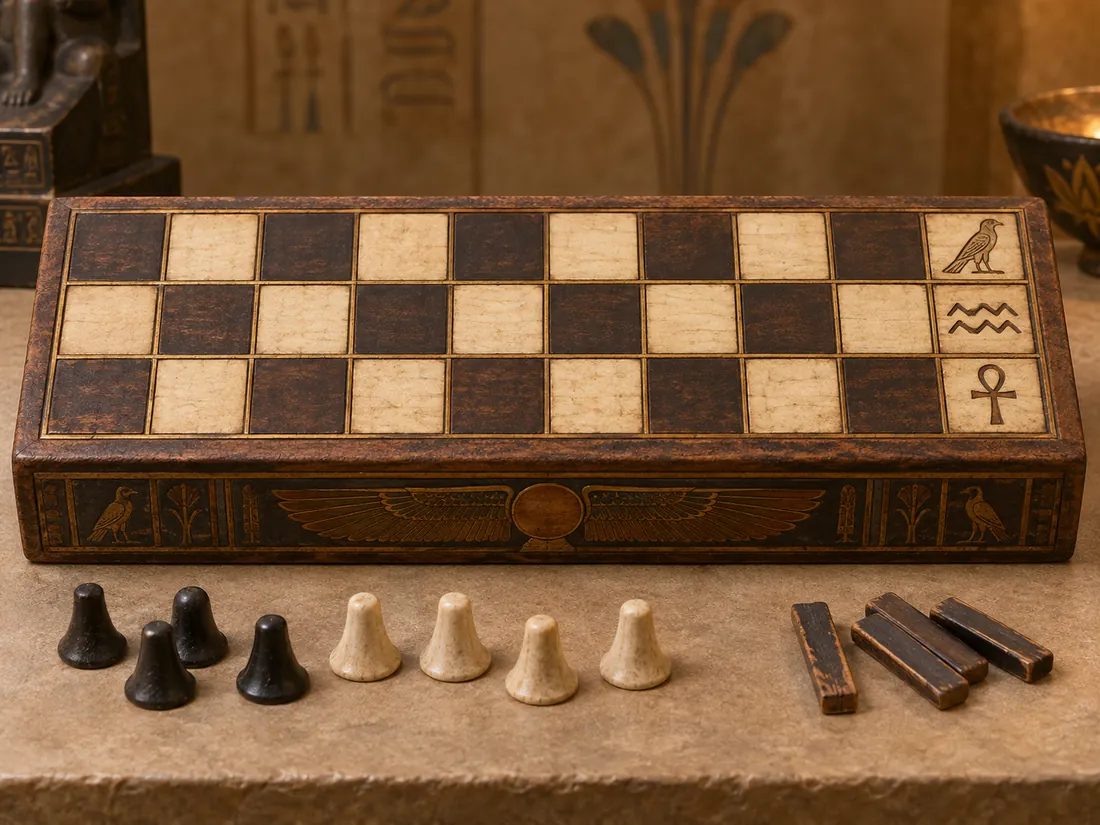
Play a classroom reconstruction of the ancient Egyptian board game Senet.
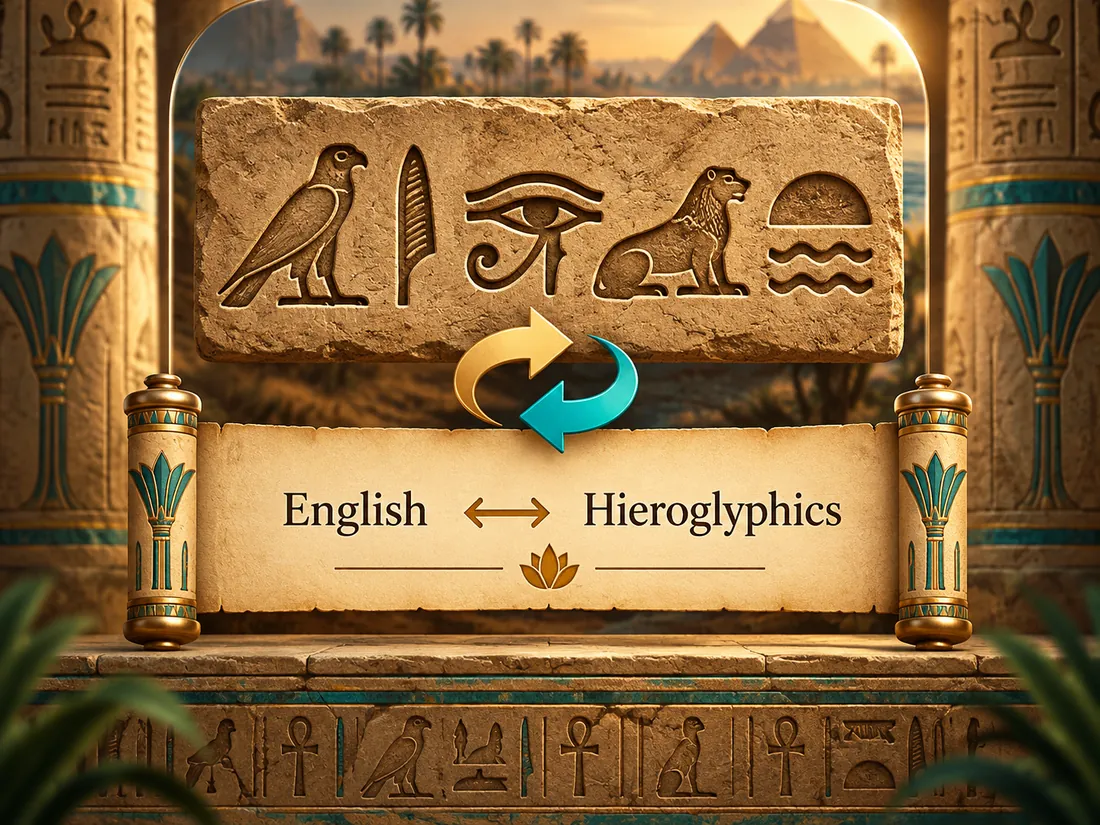
Explore Egyptian writing by connecting English text with hieroglyphic signs.
Explore presidential elections through candidates, maps, results, ads, and historical context.
Projects rotate automatically. Hover over this panel to pause.
What we believe
Animated History begins with a simple belief: learners understand the past and civic life more deeply when they investigate relationships for themselves. History should not feel like a static list of names and dates, and government should not be reduced to vocabulary. Interaction can reveal patterns, illuminate institutions, and move students from passive reading to active inquiry.
Sorting, filtering, comparing, and exploring help students see continuity, change, cause, consequence, and connections that a linear page can hide.
Interactive models make constitutions, elections, presidencies, court decisions, and public policy easier to examine as connected systems.
Good design should lead learners toward context, primary sources, competing interpretations, and better historical questions.
Historically grounded games and simulations can turn ancient material culture into a memorable classroom experience without replacing evidence or inquiry.
Our approach
Animation, timelines, maps, filters, translators, visual systems, and playable reconstructions are most valuable when they help learners do something intellectually meaningful.
Begin with historical thinking. Identify the comparison, relationship, or question the learner should investigate.
Design interaction around the idea. The interface should make the content clearer, not compete with it.
Invite continued inquiry. Each experience should create pathways to deeper reading, discussion, and research.
Founder and owner
Animated History was founded by Jeff Swisher, an Indiana social studies educator, historical researcher, and technology professional.
Jeff has taught United States history, government, world history, and civic learning. His work focuses on making complex historical content understandable while preserving the evidence, context, and questions that make the discipline meaningful.
Before entering education, he spent approximately two decades working in technology and software-related roles. Animated History brings those experiences together to build classroom tools that are historically grounded, visually engaging, and genuinely interactive.
Interactive projects
Every project below also appears in the rotating feature above. Use the subject filters to quickly narrow the collection.
Compare presidents across parties, eras, elections, wars, constitutional developments, and patterns of presidential service.
Explore structure, principles, amendments, influences, compromises, and landmark Supreme Court cases through connected elements.
Explore civilizations and cultures by region and era, comparing government, religion, technology, geography, and daily life.
Investigate agencies, programs, reforms, relief efforts, and the long-term legacy of Franklin Roosevelt’s New Deal.
Investigate people, battles, ideas, technologies, places, and lasting consequences of the American Civil War.
Play a classroom-ready reconstruction of Mesopotamia’s famous Game of Twenty Squares with historical context and scholarly cautions.
Bring ancient Egypt into the classroom with a two-player Senet reconstruction featuring roll sticks and special squares.
Explore Egyptian writing through a classroom-friendly translation tool that connects English text with hieroglyphic signs.
Explore presidential elections through candidates, results, maps, campaign messages, advertisements, and historical context.